

Cart
0
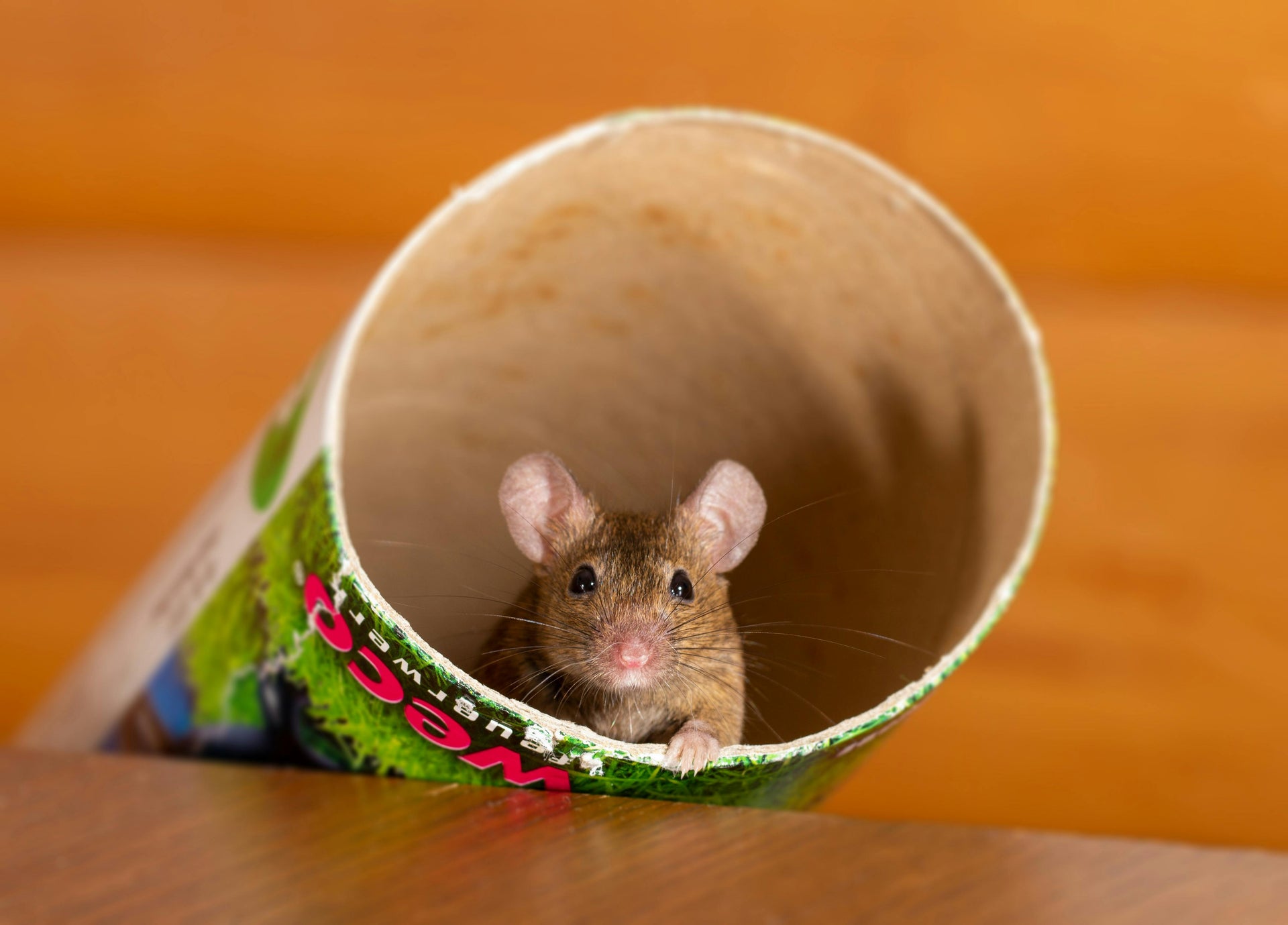
Weekly Enrichment Rotation Schedule
Small pets benefit from variety, but sudden full habitat changes can be stressful. A rotation schedule keeps enrichment fresh while preserving the familiar scent and layout that help prey animals feel safe.
Keep the anchor points stable
Do not move every important item at once. Keep the main sleeping hide, water source, and primary food area consistent. Rotate secondary tunnels, chew items, forage activities, and textures around those anchor points.
A simple weekly rhythm
- Monday: add a small forage challenge using hay, paper, or a species-safe puzzle.
- Tuesday: inspect chews and replace damaged items.
- Wednesday: swap one tunnel or hide position while keeping exits clear.
- Thursday: offer a new texture such as cardboard, hay mat, or safe bedding area.
- Friday: refresh the digging or exploration zone.
- Weekend: observe behavior and note what your pet actually used.
Species-aware adjustments
Gerbils and hamsters may appreciate deeper bedding changes and tunnel routes. Guinea pigs often prefer roomy, low tunnels and predictable hideouts. Rats and mice may enjoy more problem-solving, but all climbing areas need safe landings. Rabbits need larger-scale enrichment and chew-safe materials. Chinchillas require careful material selection and temperature awareness.
What not to rotate
- Do not remove every scent-marked item at the same time.
- Do not replace safe sleep areas with exposed decorative pieces.
- Do not add multiple new foods or treats at once.
- Do not leave damaged items because they are “favorite” toys.
Burrowly buying tip
Build a small rotation library: one spare tunnel, one chew texture, one forage tool, and one washable hide. You can create variety without cluttering the habitat.


