

Cart
0
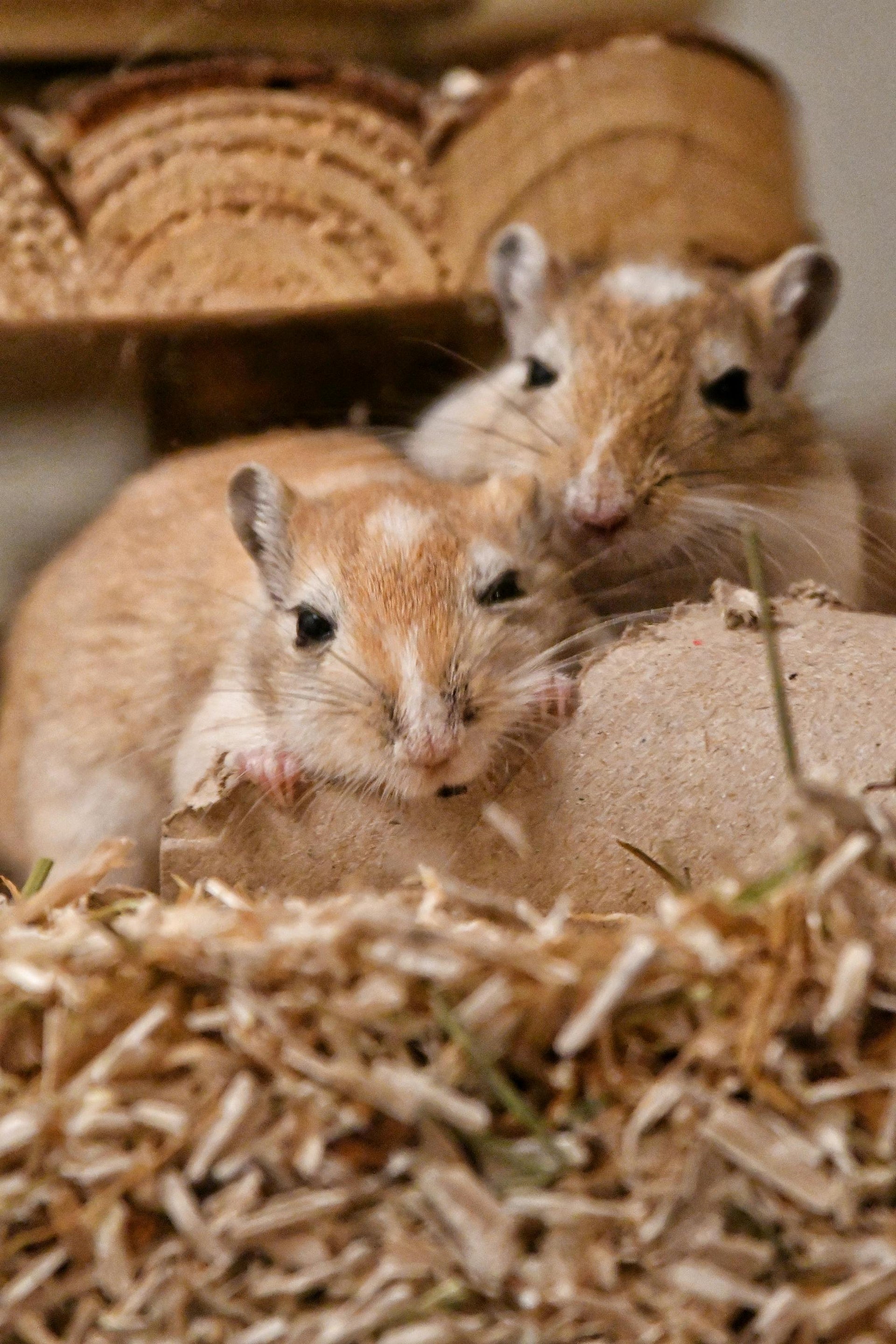
Hideouts, Tunnels & Safe Exits
Hideouts and tunnels are core habitat pieces for many small pets. They provide security, enrichment, and pathways for natural movement. The safest choices are roomy, stable, easy to inspect, and matched to the animal’s body size.
Why exits matter
A single entrance can feel cozy, but it can also create a dead end. For social pets, one animal may block another inside. For nervous pets, a second exit can reduce panic. Large hideouts and tunnels should allow the animal to turn and leave without backing out awkwardly.
Material checks
- Wood should be smooth and inspected for splinters.
- Cardboard is useful for temporary enrichment but should be replaced when wet or heavily chewed.
- Plastic should not have thin chewable edges or sharp seams.
- Fabric should be monitored closely for loose threads and chewing.
Placement inside the habitat
Place hides where your pet can rest away from heavy traffic, but do not block food, water, or open paths. Tunnels should lead somewhere useful rather than creating cramped corners. Heavy items should sit securely so burrowing animals cannot undermine them.
Species notes
Hamsters and gerbils often enjoy tunnel networks and deeper bedding. Guinea pigs prefer wider tunnels and houses they can pass through comfortably. Rats may enjoy climbing-linked hideouts, but stability is essential. Rabbits need much larger shelters and chew-resistant materials. Chinchillas require safe, chew-aware surfaces and good airflow.
Burrowly buying tip
Before buying, compare the product opening to your pet’s adult body width. If the listing does not show dimensions, choose a different product.


