

Cart
0
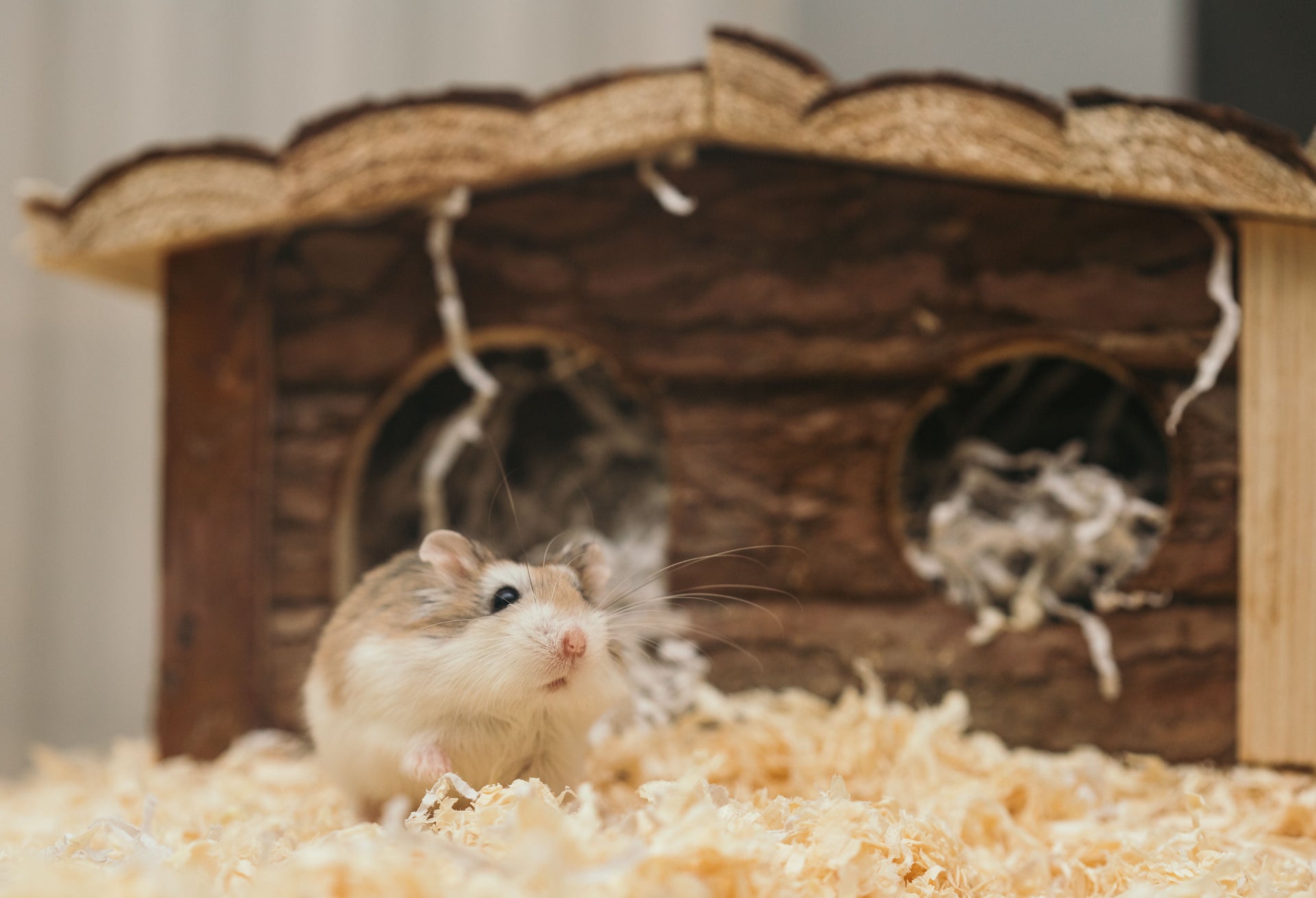
Habitat Planning: Space, Ventilation & Zones
A small-pet habitat should work like a tiny home, not a display box. The best setups balance security, airflow, movement, bedding, and quiet hiding places. When the layout supports natural behavior, pets are easier to observe and daily care becomes simpler.
Usable space matters most
Floor area is often more valuable than vertical height. Hamsters and gerbils benefit from room for bedding and tunnels. Guinea pigs and rabbits need long, open paths for movement. Rats and mice enjoy climbing, but they still need safe landing areas and stable platforms. Chinchillas need room to move without overheating and should not rely on flimsy plastic parts.
Ventilation and temperature
- Avoid sealed containers with poor airflow.
- Keep habitats away from direct sun, radiators, damp corners, and strong drafts.
- Use bedding that stays dry and does not create excessive dust.
- Check odor early; strong smells often mean cleaning frequency, bedding depth, or airflow needs adjustment.
Create functional zones
Divide the habitat into sleep, feeding, water, enrichment, and toilet-prone areas. Hides should not block access to food or water. If using tunnels, make sure your pet can turn around and exit safely. For social species, provide multiple resources so one animal cannot control the only hide or food area.
Cleaning access
A beautiful habitat fails if it is hard to clean. Choose accessories that lift out easily, dry fully, and can be inspected for chewing damage. Spot-clean soiled areas frequently and do deeper cleans without removing all familiar scent at once unless the habitat is unsafe or contaminated.
Signs the layout needs improvement
- Your pet sleeps exposed because the hide is too small or poorly placed.
- Food or bedding becomes wet around the water area.
- There are dead ends where a pet can be cornered.
- Accessories take up so much room that movement is restricted.
- Odor builds quickly even with regular spot cleaning.
Burrowly buying tip
When choosing habitat products, ask: does this item add comfort, safety, enrichment, or easier care? If it only looks cute but reduces space or cleaning access, skip it.


