

Cart
0
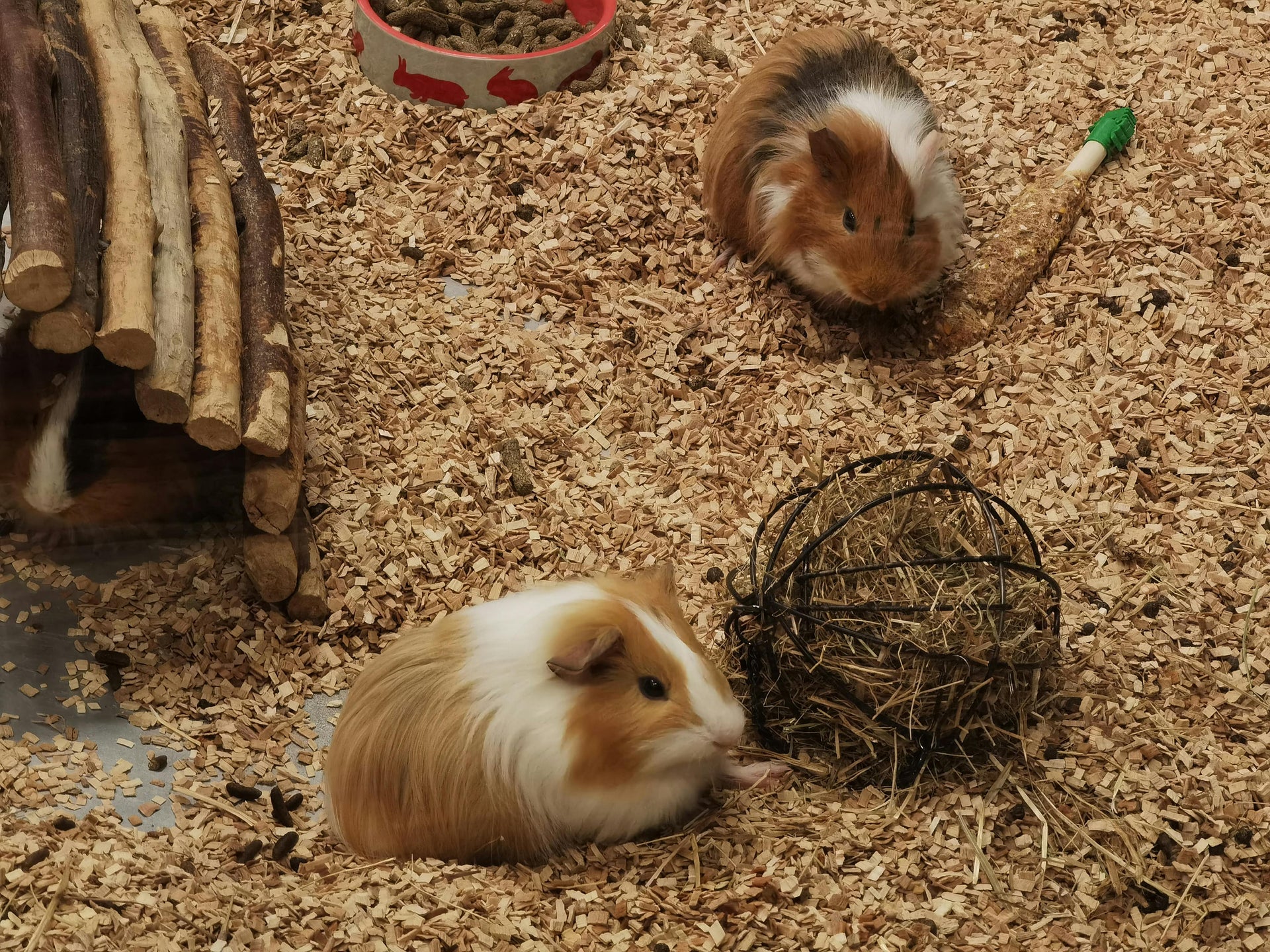
Enrichment Plan: Chew, Forage, Explore
Enrichment should give small pets safe choices. A good plan supports natural behaviors such as chewing, digging, hiding, sniffing, climbing, foraging, and exploring. It does not need to be complicated; it needs to be safe, varied, and matched to the species.
The four-part enrichment mix
- Chew: safe wood, hay-based items, or cardboard options for appropriate species.
- Forage: small food searches that encourage sniffing and movement.
- Explore: tunnels, hideouts, platforms, and layout changes.
- Rest: quiet shelters so enrichment never removes security.
Match enrichment to the animal
Hamsters and gerbils often enjoy digging and tunnel-style exploration. Guinea pigs may prefer roomy tunnels, hay-based activities, and low-stress floor exploration. Rats are intelligent and benefit from puzzles and climbing, while mice need tiny-scale spaces that still feel secure. Rabbits often enjoy digging boxes, chew textures, and large hideouts. Chinchillas require dust-bath routines and chew-safe materials, with attention to overheating.
Rotation prevents boredom
Instead of filling the habitat with every toy at once, rotate a small set. Keep core essentials consistent, then change one or two enrichment items weekly. This keeps the environment interesting without overwhelming sensitive pets.
Safety checks
- No sharp edges, staples, glue globs, loose threads, or small detachable pieces.
- No narrow openings that could trap shoulders, hips, or heads.
- No strong fragrances, chemical coatings, or unknown treated wood.
- Remove items when they become wet, heavily chewed, or unstable.
Behavior signs to watch
Healthy enrichment often leads to sniffing, gentle chewing, exploring, and relaxed resting afterward. If your pet avoids an item, repeatedly panics, guards it aggressively, or chews it in a dangerous way, remove it and try a simpler option.
Burrowly buying tip
Buy enrichment by behavior, not by category name. Ask whether the item supports chewing, foraging, hiding, exercise, or problem-solving for your specific pet.


